In your branding
Your name on it, not ours.
We turn hard-to-use company know-how into practical digital material your team can actually work with. The format depends on the problem.
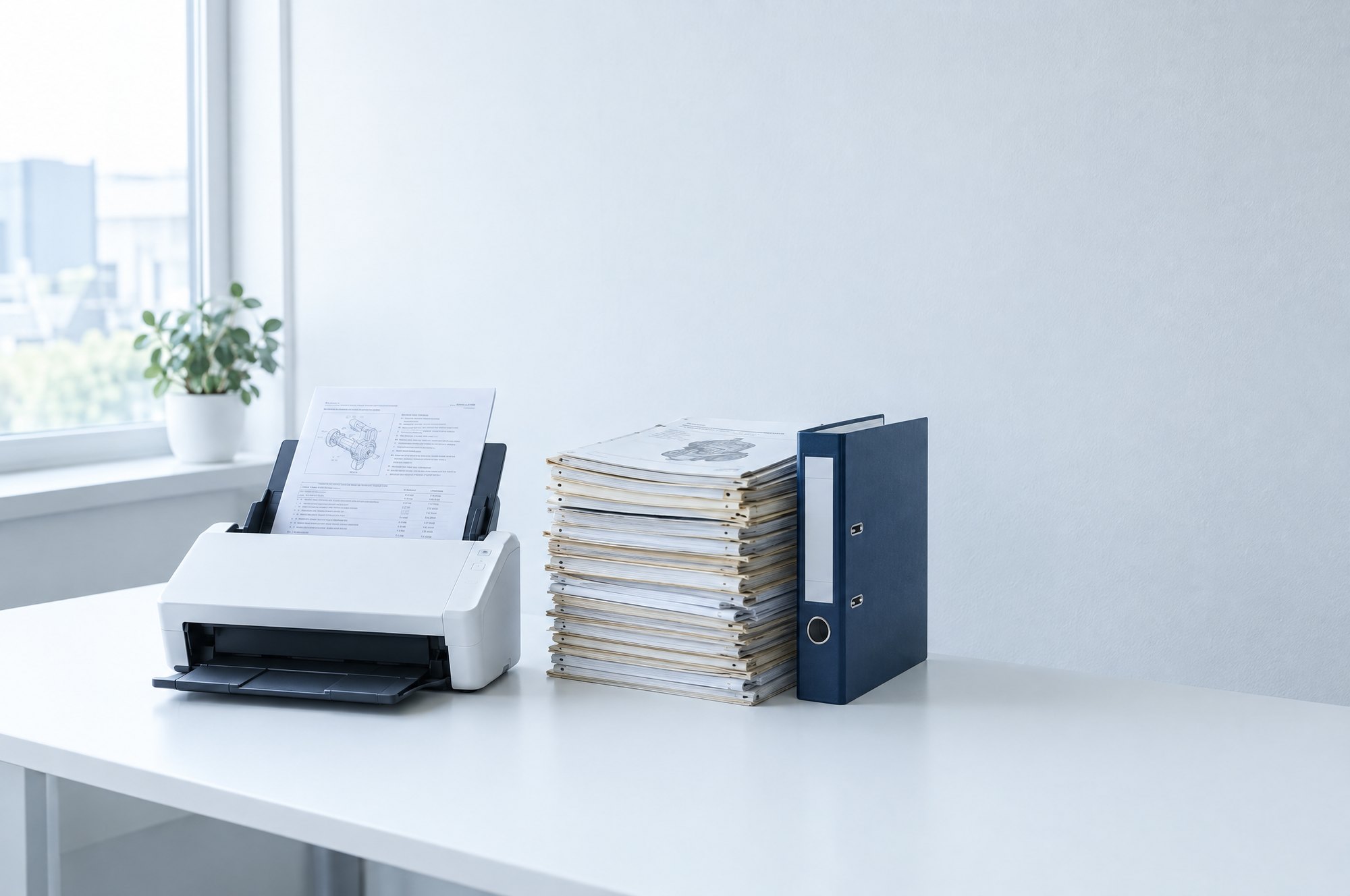
A quarter of the people working in industry are 55 or older, and skilled people are hard to find. That makes it worth having what they know in a form others can use.
Binders, manuals, drawings and maintenance records that exist only on paper. To use one, someone has to know which cabinet it is in.
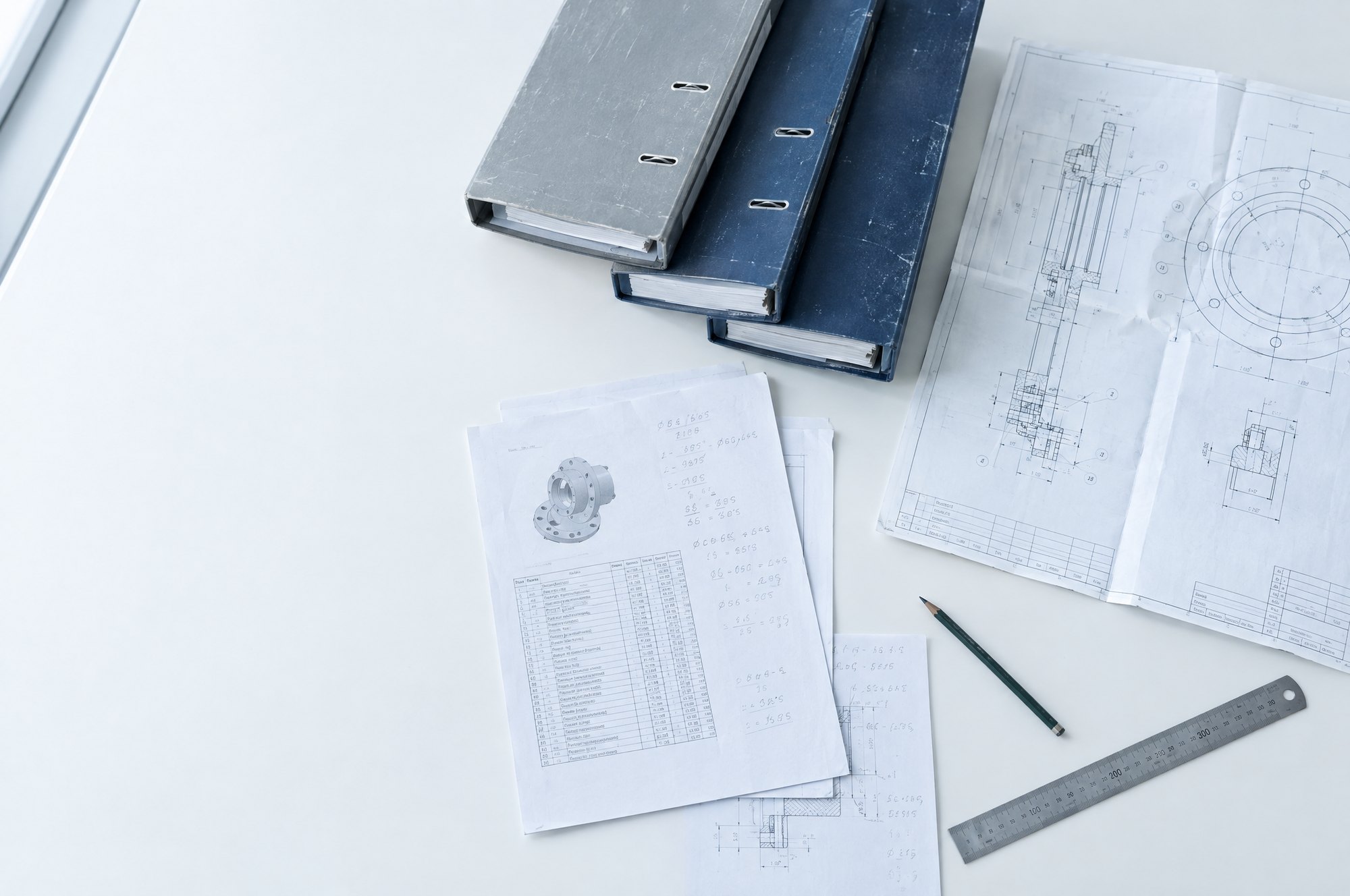
A few cabinets or shelves of documents, and nobody sure which are still current.
Scan them, give every file a proper name and put them in a structure that makes sense to the people who use it.
Organised digital files, in a structure that is yours and easy for your team to use.
The information is digital already, but it is spread across folders, network drives and inboxes, and nobody is sure which version is the latest.
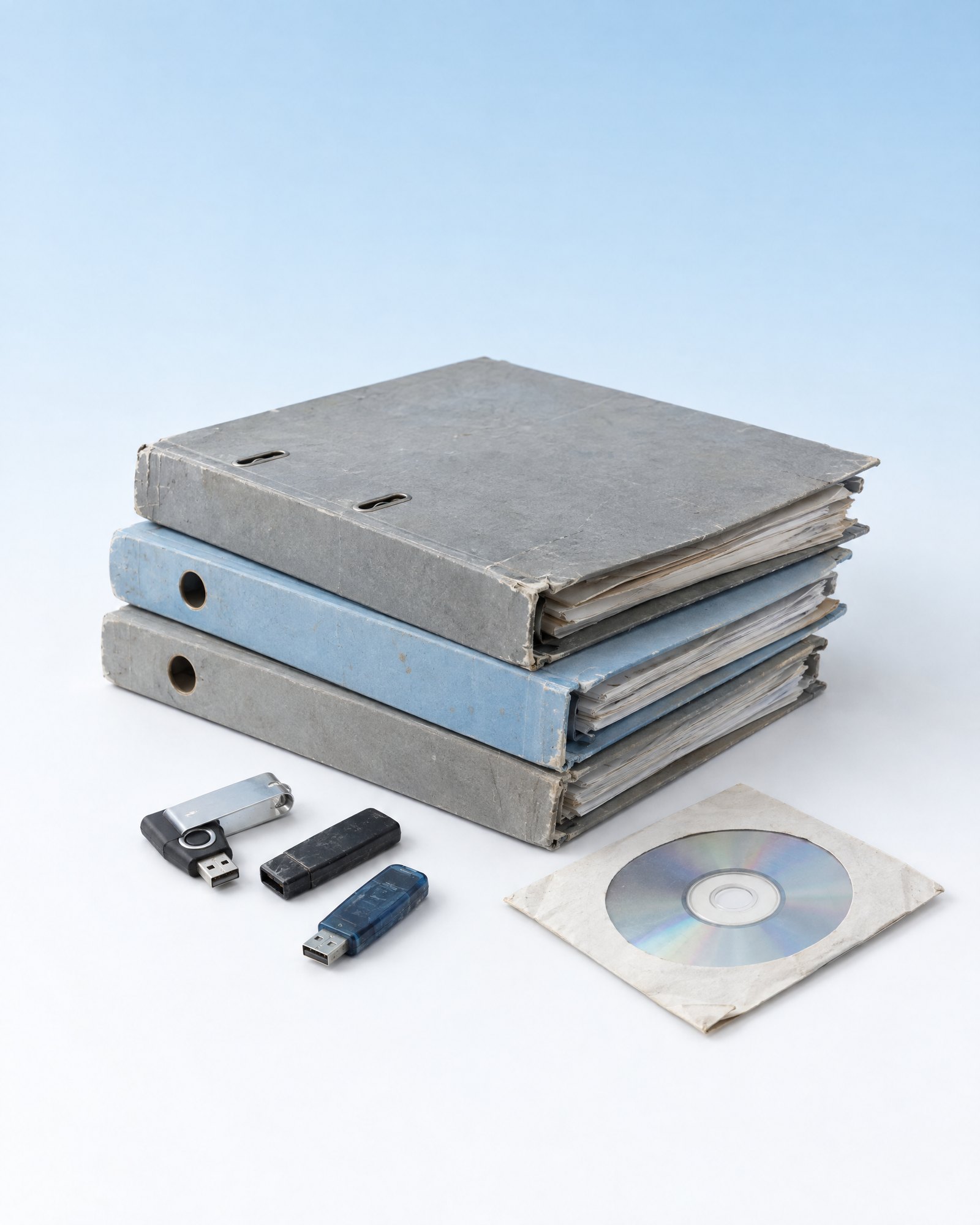
Drawings, PDFs, spreadsheets and photos in shared folders, with several versions of the same document.
Go through it with someone who knows the material, agree what is current, and bring it into one clear structure with consistent names.
A clear place to look, with current versions identified and organised together.
Some things are known only by the two or three people who have done them for years, and they explain it again every time someone new starts.
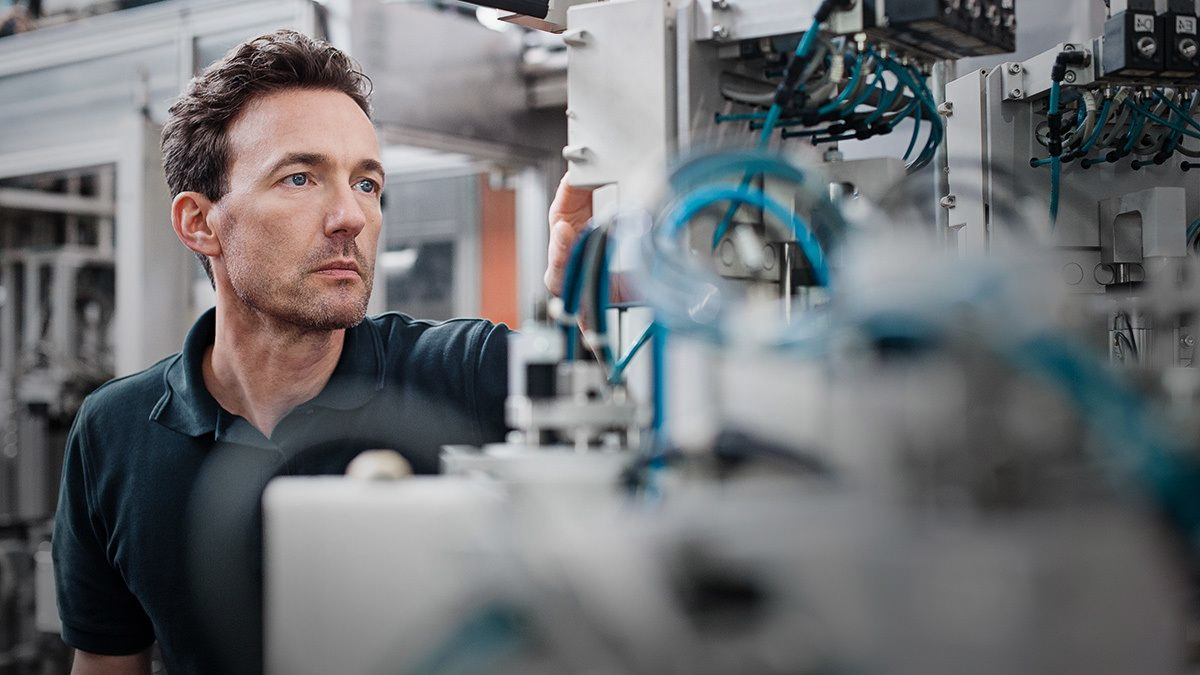
A procedure, a machine or a way of working that a few experienced colleagues really know.
Sit down with them and go to where the work happens. We ask, watch, record and write down how it is actually done.
The knowledge in a form others can use, also when that colleague is busy, away or retired.
For work people should be able to follow on their own: a procedure at the machine, a manual for a product, a standard that has to be done the same way every time.
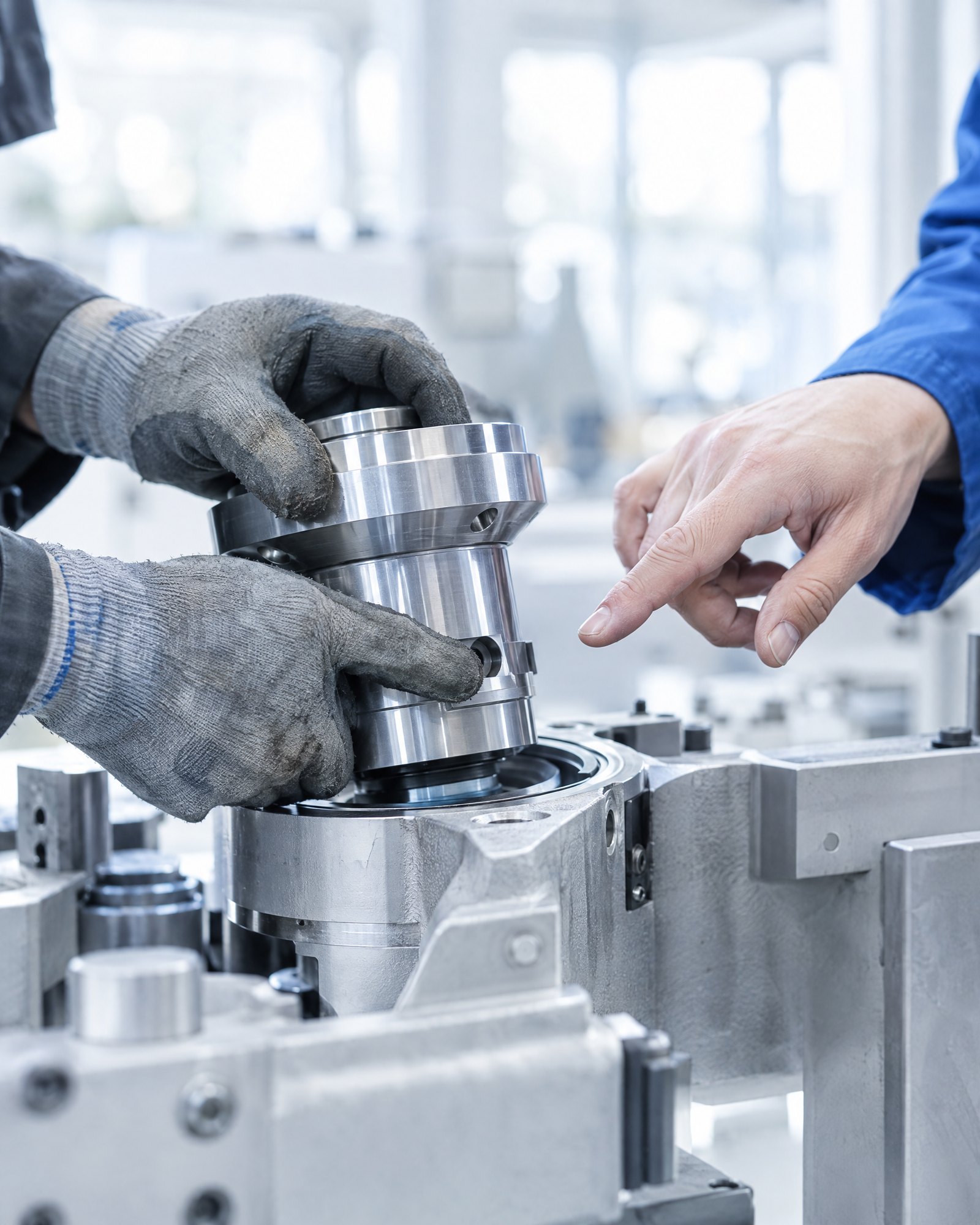
A task that is shown once at the machine and then expected to be remembered.
Turn it into step-by-step instructions, a digital manual or process documentation, with the parts and tools named at each step.
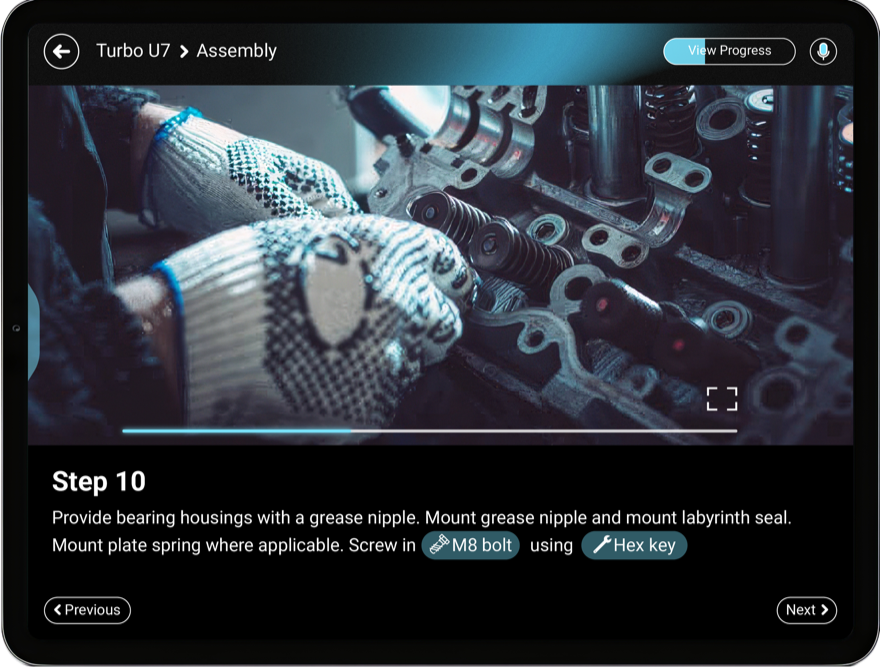
Clear guidance a new colleague can follow without having to ask.
Some things are easier to show than describe. That's when video, photography or animation make sense.
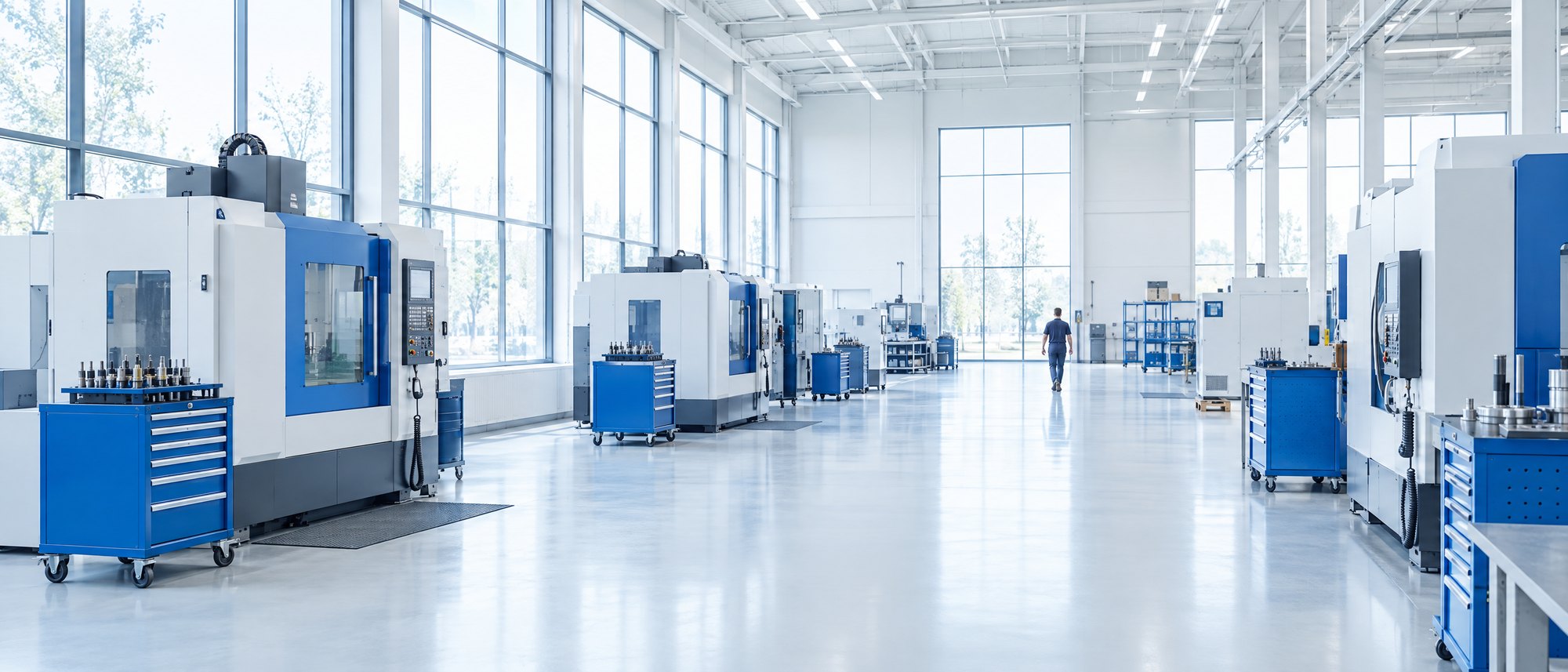
Procedures as they are really done, filmed where the work happens.
Parts, tools and products, photographed the same way every time.
What a camera cannot show.
Every project follows the same four steps. Which formats it needs is decided in scoping, from what has to be explained, to whom, and where they will use it.
Everything we make is delivered as files and content that work on their own, without an EKKO system. If you later want to add more, bring it all together in one place, or use AI with your own company knowledge, having it digital is where that starts.
The EKKO Library is one online place for what we have made for you, in your branding, opened on a tablet or phone at the machine. It is an extra. Nothing we make depends on it.
Indicative price, excluding VAT. New content or a larger restructure is quoted separately.
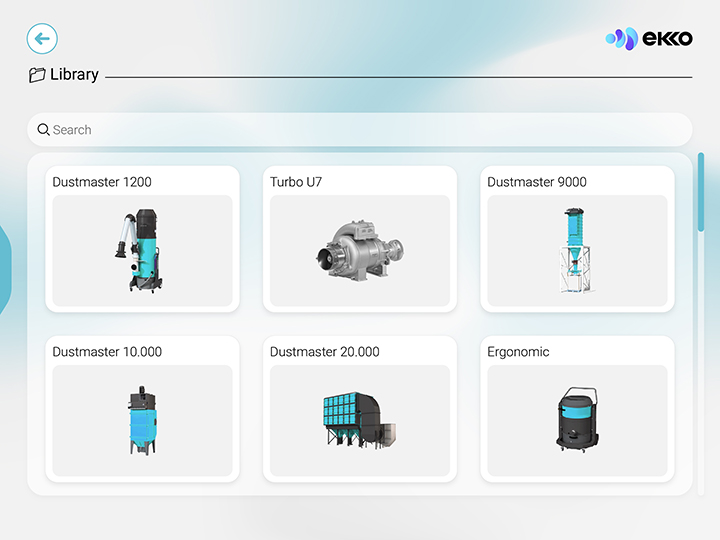
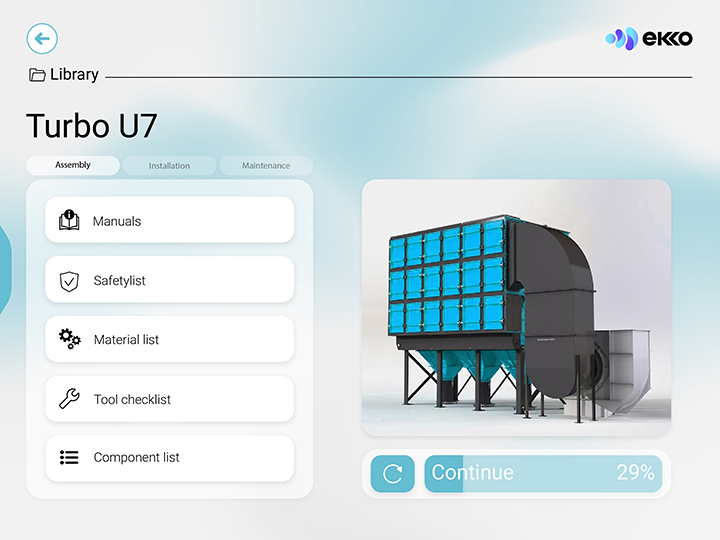
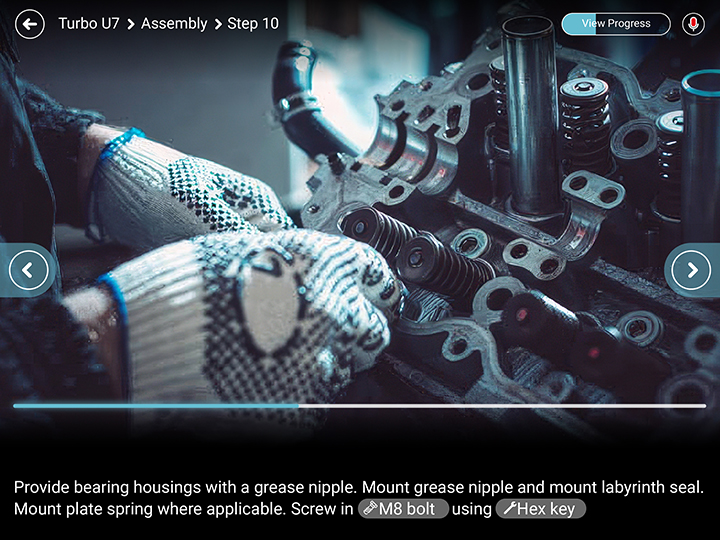
Your name on it, not ours.
Per product or machine, then per phase and step. At Kiekens: assembly, installation and maintenance.
On a tablet or phone, at the machine, in the languages your team speaks.
Branding, structure, first upload, admin access and launch.
one-off€1,750
Keeping your Library online, with admin access, maintenance and standard support.
pricedon request
Tell us what you're dealing with, in a 30-45 minute introduction or a short brief. Finding the simplest useful solution is our job.